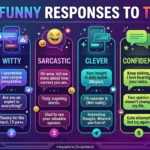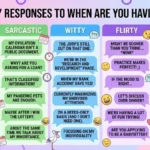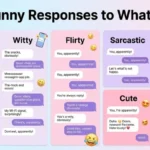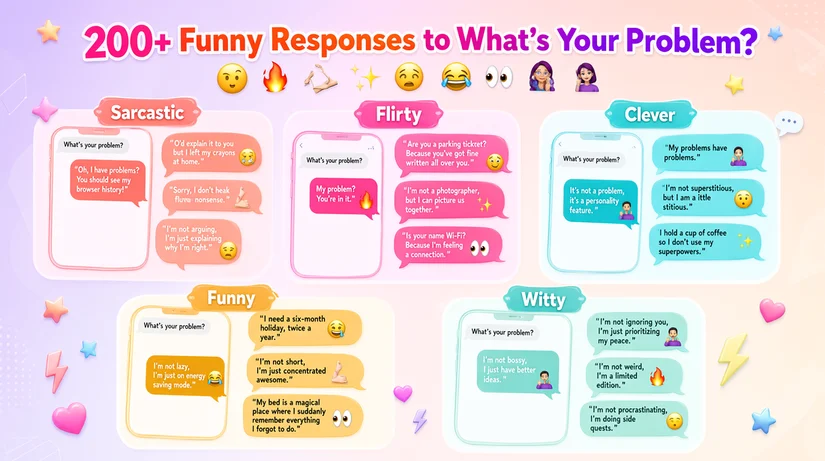
The best funny responses to “What’s your problem?” depend on the situation and your relationship with the person. You can keep things playful, sarcastic, confident, or politely shut down unnecessary attitude without making things awkward.
Top replies: “Where do I begin?”, “Too many to list!”, “I’m still waiting for the software update,” “Which one are you asking about?”, “Being too fabulous for this conversation.”
Ever had someone hit you with “What’s your problem?” when you’re simply minding your own business? Whether it happens during a playful argument with friends, an awkward conversation at work, a random text, or a cheeky DM from your crush, that question can catch you completely off guard. Sometimes the person genuinely wants to know what’s bothering you, but other times they’re just looking for a reaction. That’s where a clever comeback can save the moment.
The right response can turn an awkward situation into a hilarious exchange, show confidence, or politely remind someone to watch their tone. These funny responses to what’s your problem cover everything from playful jokes and witty comebacks to sarcastic one-liners and charming replies. Pick your favorite, match the mood, and let your response do the talking!
1. Funny Responses to What’s Your Problem?
Sometimes the easiest way to handle an annoying question is with a little humor. These funny replies keep the conversation entertaining without taking things too seriously.
- Where do I even begin?
Example: When a friend jokingly asks about your attitude.
Meaning: Playfully suggests you have several little problems. - Too many to list before dinner.
Example: When someone catches you having a difficult day.
Meaning: Makes light of having multiple problems. - I’m still waiting for the software update.
Example: When someone teases you about your unusual behavior.
Meaning: Jokes that you’re still a work in progress. - My biggest problem is answering that question.
Example: When someone asks unnecessarily personal questions.
Meaning: Turns their question into the joke. - Probably a shortage of snacks.
Example: When your friend notices your grumpy mood.
Meaning: Suggests your mood can be fixed with food. - Nothing that a million dollars couldn’t fix.
Example: During a lighthearted conversation about life’s troubles.
Meaning: Humorously blames everything on not having enough money. - My brain has too many tabs open.
Example: When you’re distracted or overwhelmed.
Meaning: Describes having too many thoughts at once. - I’m allergic to unnecessary questions.
Example: When someone keeps questioning your behavior.
Meaning: Playfully expresses irritation. - The same one I’ve had since Monday.
Example: When a friend asks about your bad mood.
Meaning: Makes your ongoing frustration sound amusing. - I think my life needs a customer service department.
Example: When everything seems to go wrong.
Meaning: Jokes that your problems need professional assistance. - I’m a limited edition with a few glitches.
Example: When someone teases you about being different.
Meaning: Turns imperfections into something special. - I forgot, but thanks for reminding me!
Example: When someone brings up your problems jokingly.
Meaning: Uses playful sarcasm to keep things light.
2. Sarcastic Responses to What’s Your Problem?
A little sarcasm can make an ordinary conversation much more entertaining. These responses are ideal when someone is being unnecessarily nosy or giving you attitude.
- Oh, you want the short version or the documentary?
Example: When someone asks about your complicated life.
Meaning: Suggests your problems deserve a detailed explanation. - Let me check my schedule first.
Example: When someone asks with an irritated expression.
Meaning: Pretends that discussing your problems requires an appointment. - That’s a premium question.
Example: When someone demands an explanation without context.
Meaning: Implies that your personal information isn’t free. - Why, are you collecting them?
Example: When someone keeps asking about your difficulties.
Meaning: Challenges their curiosity with humor. - The list is longer than your attention span.
Example: When a close friend enjoys teasing you.
Meaning: Delivers a playful sarcastic jab. - I’ll send you the full report tomorrow.
Example: When someone expects an immediate explanation.
Meaning: Pretends your problems require official documentation. - My problem is that I entertain questions like this.
Example: When someone is getting on your nerves.
Meaning: Suggests the question itself is irritating. - Nothing a little peace and distance can’t fix.
Example: When someone is being particularly annoying.
Meaning: Hints that you need some space. - Do you want the answer or the entire season?
Example: When your situation is too complicated to explain.
Meaning: Compares your problems to a long-running television series. - I’m waiting for you to reveal yours first.
Example: When someone asks the question with attitude.
Meaning: Turns their question back on them. - Apparently, answering you is becoming one.
Example: When someone refuses to stop questioning you.
Meaning: Sarcastically identifies their behavior as the problem. - Thanks for your concern, detective.
Example: When someone acts overly interested in your business.
Meaning: Makes fun of their unnecessary investigation.
3. Brutal but Classy Responses to What’s Your Problem?
When someone crosses a line, a confident response can communicate that you’re not interested in unnecessary drama. These replies are direct without relying on personal insults.
- My problem isn’t your concern.
Example: When someone asks about private matters.
Meaning: Establishes a clear personal boundary. - I don’t remember asking for your investigation.
Example: When someone keeps interfering in your business.
Meaning: Makes it clear that their involvement isn’t welcome. - Perhaps your tone is the problem here.
Example: When someone approaches you disrespectfully.
Meaning: Redirects attention toward their behavior. - Nothing, until this conversation started.
Example: When someone unnecessarily provokes you.
Meaning: Suggests their attitude created the tension. - I prefer solutions over unnecessary questions.
Example: During an argument with someone who isn’t helping.
Meaning: Shows that you value productive conversations. - You seem more bothered than I am.
Example: When someone appears unusually invested in your mood.
Meaning: Highlights their overreaction. - My peace is more important than this discussion.
Example: When an argument becomes pointless.
Meaning: Shows that you won’t sacrifice your peace. - Let’s not confuse your curiosity with my responsibility.
Example: When someone demands personal explanations.
Meaning: Reminds them that you owe them no details. - I can handle my issues without an audience.
Example: When someone makes your situation public.
Meaning: Expresses a preference for privacy. - Your assumptions aren’t my responsibility.
Example: When someone judges you without knowing the facts.
Meaning: Refuses to accept unfair judgments. - Respectful questions get better answers.
Example: When someone speaks to you rudely.
Meaning: Encourages respectful communication. - I’m not available for unnecessary drama.
Example: When someone tries to start an argument.
Meaning: Makes your unwillingness to argue clear.
4. Clever Responses to What’s Your Problem?
Want a reply that makes someone pause for a second before laughing? These clever answers use wordplay, unexpected twists, and smart observations.
- That’s classified information.
Example: When a curious friend asks about your personal life.
Meaning: Playfully treats your problems as confidential information. - I’m currently running a diagnostic test.
Example: When someone notices your distracted behavior.
Meaning: Suggests you’re trying to figure yourself out. - My problem has a problem of its own.
Example: When everything seems complicated.
Meaning: Makes your situation sound humorously complicated. - The question is still under review.
Example: When you don’t have an immediate answer.
Meaning: Pretends your response needs careful consideration. - I’m not the issue, I’m the plot twist.
Example: When a friend calls you unpredictable.
Meaning: Turns being different into a confident joke. - My patience is experiencing technical difficulties.
Example: When someone is testing your patience.
Meaning: Humorously explains your irritation. - A shortage of answers and an excess of questions.
Example: When you’re dealing with a confusing situation.
Meaning: Describes feeling overwhelmed by uncertainty. - My problem is a work in progress.
Example: When someone asks about your personal struggles.
Meaning: Shows that you’re still figuring things out. - I’m waiting for the universe to reply to my complaint.
Example: When life isn’t going according to plan.
Meaning: Blames your troubles on the universe humorously. - That’s an interesting question with expensive answers.
Example: When someone asks about your complicated situation.
Meaning: Suggests the explanation would take considerable effort. - I have a few bugs, but the system works.
Example: When someone points out your unusual habits.
Meaning: Accepts your imperfections with confidence. - The answer depends on which episode you’re watching.
Example: When your life has several ongoing complications.
Meaning: Compares your experiences to different episodes of a series.
5. Polite Responses to What’s Your Problem?
Not every question needs a sarcastic comeback. Sometimes a calm and respectful answer is the best way to keep a conversation comfortable.
- Nothing serious, I’m just having a long day.
Example: When a colleague notices you’re unusually quiet.
Meaning: Explains your mood without creating unnecessary concern. - I appreciate you asking, but I’m okay.
Example: When someone genuinely checks on you.
Meaning: Acknowledges their concern politely. - Just a few things on my mind.
Example: When a friend notices you’re distracted.
Meaning: Indicates that you’re thinking about personal matters. - It’s nothing I can’t handle.
Example: When someone asks whether you’re facing difficulties.
Meaning: Reassures them that you’re managing things. - I’d rather not get into it right now.
Example: When you aren’t comfortable discussing your situation.
Meaning: Politely protects your privacy. - I’m working through something, but thank you.
Example: When someone offers genuine support.
Meaning: Shows appreciation while keeping details private. - Maybe I just need a little time to myself.
Example: When you’re feeling overwhelmed.
Meaning: Communicates your need for personal space. - Nothing personal, just a stressful moment.
Example: When someone misunderstands your mood.
Meaning: Reassures them that your behavior isn’t directed at them. - I’m still figuring that out myself.
Example: When you don’t understand your own feelings yet.
Meaning: Honestly admits that you need time to reflect. - It’s been one of those days, that’s all.
Example: When someone asks why you’re frustrated.
Meaning: Explains your mood without going into detail. - I think we might be misunderstanding each other.
Example: When a conversation starts becoming uncomfortable.
Meaning: Opens the door to clearing up confusion. - Let’s talk about it when we’re both calmer.
Example: When a disagreement starts getting heated.
Meaning: Suggests a more productive time to communicate.
6. Flirty Responses to What’s Your Problem?
When your crush or someone special asks this question, you can turn the moment into an opportunity for playful flirting. Try these charming responses.
- You, apparently.
Example: When your crush playfully teases you.
Meaning: Suggests that they’re the reason you’re distracted. - I can’t stop thinking about someone.
Example: When you’re texting someone you’re interested in.
Meaning: Creates curiosity about your romantic feelings. - My problem is that you’re too distracting.
Example: When your crush keeps getting your attention.
Meaning: Compliments their ability to capture your interest. - I think I need a hug to diagnose it.
Example: When someone asks about your bad mood.
Meaning: Flirtatiously suggests physical affection. - Your smile keeps interrupting my thoughts.
Example: When someone attractive asks what’s wrong.
Meaning: Turns the question into a sweet compliment. - I’m trying to act normal around you.
Example: When you’re nervous around your crush.
Meaning: Admits that their presence makes you shy. - You stole my attention and forgot to return it.
Example: When someone has been occupying your thoughts.
Meaning: Playfully blames them for your distraction. - Apparently, I have a serious crush problem.
Example: When you’re comfortable flirting openly.
Meaning: Hints at romantic interest. - I need a date to discuss my issues.
Example: When someone seems interested in you.
Meaning: Turns an ordinary question into a date invitation. - Your presence is making my brain malfunction.
Example: When your crush makes you nervous.
Meaning: Suggests that their charm leaves you speechless. - I think you’re the missing solution.
Example: When someone asks how they can help.
Meaning: Flirtatiously suggests that you want their company. - My only problem is that you’re not here.
Example: When texting someone you miss.
Meaning: Shows that you would rather spend time with them.
7. Short and Witty Responses to What’s Your Problem?
Sometimes a short comeback makes the biggest impression. These quick replies are perfect for text messages, social media comments, and everyday conversations.
- Where to start?
Example: When a friend asks about your complicated day.
Meaning: Suggests that there are several things to discuss. - Limited patience.
Example: When someone notices your irritated mood.
Meaning: Briefly explains your frustration. - Ask my therapist.
Example: When someone jokes about your unusual behavior.
Meaning: Makes your personal struggles sound humorous. - Everything and nothing.
Example: When you’re feeling confused.
Meaning: Expresses a complicated emotional state. - A little bit of everything.
Example: When someone asks about your current struggles.
Meaning: Suggests that several things are bothering you. - Insufficient coffee.
Example: When you’re sleepy or grumpy.
Meaning: Blames your mood on a lack of caffeine. - Existence, mostly.
Example: When a close friend asks dramatically.
Meaning: Jokes about the everyday difficulties of life. - A broken sleep schedule.
Example: When you’re tired and distracted.
Meaning: Identifies your lack of sleep as the problem. - Too much thinking.
Example: When someone notices you’re unusually quiet.
Meaning: Suggests that overthinking is bothering you. - Not enough vacation days.
Example: When work is becoming exhausting.
Meaning: Humorously identifies your need for a break. - Ask again after lunch.
Example: When you’re hungry and annoyed.
Meaning: Suggests that food might improve your mood. - Currently under maintenance.
Example: When you aren’t feeling your best.
Meaning: Indicates that you need time to recharge.
8. Confident Responses to What’s Your Problem?
Confidence doesn’t require shouting or arguing. These responses show that you’re comfortable with yourself and don’t need to justify every little thing.
- I’m perfectly comfortable being myself.
Example: When someone questions your personality.
Meaning: Shows confidence in your individuality. - Not everything needs an explanation.
Example: When someone demands reasons for your choices.
Meaning: Reminds them that you have personal boundaries. - I’m good, but thanks for checking.
Example: When someone questions your mood.
Meaning: Communicates self-assurance without sounding defensive. - I know who I am, and that’s enough.
Example: When someone criticizes your personality.
Meaning: Expresses confidence in your identity. - My standards aren’t a problem.
Example: When someone complains about your expectations.
Meaning: Shows that you won’t apologize for reasonable standards. - I don’t need everyone’s approval.
Example: When someone questions your decisions.
Meaning: Demonstrates independence and self-respect. - I’m focused on fixing what actually matters.
Example: When someone tries to distract you with criticism.
Meaning: Shows that your priorities are clear. - Being different isn’t a problem.
Example: When someone makes fun of your individuality.
Meaning: Celebrates your unique personality. - I’m not here to fit every expectation.
Example: When someone pressures you to change.
Meaning: Shows that you value authenticity. - My confidence seems to bother you more.
Example: When someone repeatedly questions your self-assurance.
Meaning: Points out their unnecessary criticism. - I’m handling my business, thank you.
Example: When someone interferes in your personal matters.
Meaning: Establishes independence and personal boundaries. - I choose peace over pointless arguments.
Example: When someone tries to provoke you.
Meaning: Shows emotional maturity and self-control.
9. Dramatic Responses to What’s Your Problem?
If you enjoy making ordinary moments feel like scenes from a movie, these dramatic responses will give your conversations a little theatrical entertainment.
- Where do I begin? My tragic story deserves a soundtrack.
Example: When a friend asks about your terrible day.
Meaning: Exaggerates your troubles for comic effect. - The universe has clearly chosen me for character development.
Example: When several things go wrong together.
Meaning: Jokes that your difficulties are making you stronger. - My life is currently experiencing a season finale.
Example: When everything feels overwhelming.
Meaning: Compares your situation to an emotional television ending. - I was born with a plot twist.
Example: When someone calls you unpredictable.
Meaning: Makes your unusual personality sound entertaining. - Even my problems need a vacation from me.
Example: When you’re dealing with constant difficulties.
Meaning: Dramatically suggests that your troubles never stop. - The struggle has officially entered its next chapter.
Example: When a new inconvenience appears.
Meaning: Makes another challenge sound like part of a story. - My patience has left the building.
Example: When someone keeps annoying you.
Meaning: Dramatically announces that you’ve run out of patience. - I’m one inconvenience away from writing a memoir.
Example: When your day has been particularly difficult.
Meaning: Jokes that your experiences deserve a book. - This is not a problem, it’s a full production.
Example: When a minor issue becomes complicated.
Meaning: Exaggerates the situation for entertainment. - My emotional support system needs emotional support.
Example: When everyone expects you to solve their problems.
Meaning: Jokes about feeling emotionally exhausted. - I’m waiting for the dramatic background music.
Example: When someone asks about your serious expression.
Meaning: Treats an ordinary moment like a movie scene. - Please respect the main character’s struggles.
Example: When friends tease you about your bad day.
Meaning: Humorously asks for sympathy and attention.
10. Cute Responses to What’s Your Problem?
Want something sweet rather than sarcastic? These cute replies work especially well with close friends, family members, and people who genuinely care about you.
- I might just need a little sunshine.
Example: When a friend notices your low mood.
Meaning: Suggests that a little happiness would help. - A tiny shortage of happiness today.
Example: When someone asks why you’re quiet.
Meaning: Expresses your mood in a gentle way. - I think I need a chocolate break.
Example: When you’re feeling stressed.
Meaning: Suggests a sweet treat as a mood booster. - My smile is taking a little vacation.
Example: When someone notices you’re not smiling.
Meaning: Playfully explains your serious expression. - I need a little extra kindness today.
Example: When someone asks what’s bothering you.
Meaning: Expresses a gentle need for emotional support. - Probably too many thoughts and not enough cuddles.
Example: When texting someone you’re close to.
Meaning: Suggests that affection would make you feel better. - My happy battery needs charging.
Example: When you’re feeling emotionally drained.
Meaning: Compares your mood to a low phone battery. - A hug would solve at least 70 percent of it.
Example: When a loved one asks how they can help.
Meaning: Shows that physical affection would be comforting. - I just need my favorite people around.
Example: When you’re missing your friends or family.
Meaning: Expresses appreciation for companionship. - My heart is asking for a peaceful day.
Example: When you’re tired of unnecessary stress.
Meaning: Shows your desire for calm and comfort. - I think my mood needs a little sparkle.
Example: When you’re feeling less cheerful than usual.
Meaning: Expresses a wish for something uplifting. - Nothing serious, just missing some good vibes.
Example: When someone checks on you casually.
Meaning: Suggests that you need a positive atmosphere.
11. Chill and Casual Responses to What’s Your Problem?
Not every conversation needs a perfect comeback. These relaxed replies are useful when you want to keep things easygoing and avoid unnecessary tension.
- Nothing much, just living the dream.
Example: When a friend asks how you’re doing.
Meaning: Gives a relaxed answer with a touch of humor. - Just the usual life stuff.
Example: When someone asks about your current situation.
Meaning: Suggests that you’re dealing with everyday challenges. - I’m just figuring things out.
Example: When you’re going through a confusing period.
Meaning: Shows that you’re taking things one step at a time. - Nothing that a good nap can’t fix.
Example: When you’re tired or irritated.
Meaning: Suggests that rest might improve your mood. - Just a little Monday energy.
Example: When someone catches you looking exhausted.
Meaning: Blames your mood on the start of the week. - Same problems, different day.
Example: When your routine feels repetitive.
Meaning: Jokes about dealing with familiar challenges. - I’m good, just running on low battery.
Example: When you’re mentally or physically tired.
Meaning: Explains that you need some rest. - Nothing major, just taking it easy.
Example: When someone asks whether something is wrong.
Meaning: Communicates that everything is under control. - A little tired, a little dramatic.
Example: When friends notice your unusual mood.
Meaning: Admits your feelings without taking them too seriously. - Just waiting for the weekend.
Example: When you’re exhausted from work or studies.
Meaning: Suggests that you’re looking forward to relaxing. - All good, just need some fresh air.
Example: When a conversation becomes overwhelming.
Meaning: Shows that a small break would help. - Nothing a good playlist can’t improve.
Example: When music usually lifts your mood.
Meaning: Suggests that you’re looking for a little positivity.
12. Professional Responses to What’s Your Problem?
When the question comes from a coworker, manager, client, or someone in a formal setting, it’s better to respond calmly. These replies help you maintain professionalism without sounding defensive.
- Could you clarify what you’re concerned about?
Example: When a coworker questions your work.
Meaning: Encourages them to explain their concern clearly. - Is there a specific issue you’d like to discuss?
Example: When someone raises a concern during a meeting.
Meaning: Redirects the conversation toward a practical issue. - I’m happy to address any concerns constructively.
Example: When a manager questions your approach.
Meaning: Shows willingness to resolve misunderstandings. - Let’s focus on the issue rather than assumptions.
Example: When a workplace discussion becomes personal.
Meaning: Encourages fact-based communication. - I’m open to feedback if there’s something specific.
Example: When a colleague seems dissatisfied.
Meaning: Shows professionalism and openness to improvement. - Could we discuss this in a more constructive way?
Example: When someone uses an inappropriate tone at work.
Meaning: Requests respectful communication. - I’m not aware of an issue, but I’m willing to listen.
Example: When someone raises an unexpected concern.
Meaning: Shows that you’re receptive without accepting blame. - Let’s identify the concern and find a solution.
Example: When a project discussion becomes tense.
Meaning: Moves the conversation toward problem-solving. - If something needs attention, please let me know.
Example: When a supervisor questions your performance.
Meaning: Invites specific and useful feedback. - I believe we can resolve this through clear communication.
Example: When a misunderstanding develops between colleagues.
Meaning: Encourages a calm and professional discussion. - Could you explain what prompted that question?
Example: When someone makes a vague complaint.
Meaning: Seeks context before responding. - I’m focused on finding a practical solution.
Example: When discussing a workplace disagreement.
Meaning: Shows that your priority is resolving the matter.
13. Responses to What’s Your Problem When You’re Annoyed
Sometimes you’re genuinely irritated, and pretending everything is fine isn’t necessary. These replies communicate frustration while keeping your words under control.
- My problem is that I’ve explained this already.
Example: When someone repeatedly asks the same question.
Meaning: Expresses frustration with having to repeat yourself. - I just need five minutes without questions.
Example: When you’re overwhelmed by constant interruptions.
Meaning: Clearly communicates your need for a break. - Can we not make this more complicated?
Example: When someone turns a simple matter into an argument.
Meaning: Shows frustration with unnecessary complications. - I’m tired of repeating myself.
Example: When someone refuses to listen.
Meaning: Expresses that your patience is running low. - My problem is the unnecessary attitude.
Example: When someone speaks disrespectfully.
Meaning: Identifies their behavior as the source of tension. - I would appreciate a little less commentary.
Example: When someone keeps criticizing your choices.
Meaning: Requests that they stop making unnecessary remarks. - Not every moment needs an argument.
Example: When someone turns everything into a disagreement.
Meaning: Shows that you want a more peaceful interaction. - I’m annoyed, but I’m trying to stay reasonable.
Example: When you’re frustrated but don’t want to argue.
Meaning: Acknowledges your emotions while showing self-control. - Could you give me some breathing room?
Example: When someone won’t stop bothering you.
Meaning: Politely asks for personal space. - I don’t have the energy for this conversation.
Example: When you’re emotionally exhausted.
Meaning: Communicates that you’re not ready to engage. - Let’s talk when the attitude improves.
Example: When someone approaches you aggressively.
Meaning: Sets a boundary around respectful communication. - My patience is officially requesting a break.
Example: When you’re close to losing your temper.
Meaning: Uses humor to communicate genuine irritation.
14. Creative and Unexpected Responses to What’s Your Problem?
If ordinary comebacks feel too predictable, try something imaginative. These unusual replies can make your response memorable and give the conversation an unexpected twist.
- My life is sponsored by unexpected plot twists.
Example: When several surprising things happen in one day.
Meaning: Jokes that your life is full of unpredictable events. - I’m waiting for my instruction manual to arrive.
Example: When someone asks why you’re confused.
Meaning: Suggests that life would be easier with instructions. - My problems have formed their own group chat.
Example: When everything seems to go wrong simultaneously.
Meaning: Personifies your problems for comic effect. - The Wi-Fi between my brain and reality is unstable.
Example: When you’re having trouble concentrating.
Meaning: Jokes about feeling mentally disconnected. - I’m negotiating with my responsibilities.
Example: When you’re procrastinating.
Meaning: Suggests that your tasks are refusing to cooperate. - My peace of mind is on airplane mode.
Example: When you need a break from everything.
Meaning: Communicates that you want to disconnect. - I accidentally subscribed to the premium version of stress.
Example: When life feels unusually demanding.
Meaning: Humorously exaggerates your current stress level. - My brain is hosting a meeting without an agenda.
Example: When you’re overthinking several things.
Meaning: Describes a mind full of unorganized thoughts. - I’m waiting for life to send a software patch.
Example: When you’re experiencing repeated inconveniences.
Meaning: Jokes that your problems need a technical fix. - My common sense is currently on annual leave.
Example: When you make a silly mistake.
Meaning: Makes fun of your temporary lack of judgment. - I’ve got a few unfinished side quests.
Example: When you have several small responsibilities.
Meaning: Compares everyday tasks to optional video game missions. - My schedule and reality are not on speaking terms.
Example: When your plans keep falling apart.
Meaning: Humorously describes the gap between expectations and reality.
15. Sweet and Reassuring Responses to What’s Your Problem?
Sometimes someone asks this question because they genuinely care. These warm responses help you explain your feelings and keep the conversation positive.
- Nothing you need to worry about.
Example: When a loved one becomes concerned about you.
Meaning: Reassures them that you’re managing your situation. - Just having a little moment, I’ll be okay.
Example: When you’re feeling emotional.
Meaning: Acknowledges your feelings while offering reassurance. - I could use someone to listen, actually.
Example: When a trusted friend asks what’s wrong.
Meaning: Opens the door to an honest conversation. - Just missing the people who make me smile.
Example: When you’re feeling lonely.
Meaning: Expresses that companionship would make you happier. - Nothing that a little encouragement can’t help.
Example: When you’re feeling discouraged.
Meaning: Shows that supportive words would mean a lot. - I’m figuring things out, one day at a time.
Example: When you’re dealing with personal challenges.
Meaning: Expresses patience with your own progress. - I just need a reminder that everything will be okay.
Example: When you’re feeling uncertain about the future.
Meaning: Shows that reassurance would help you feel better. - A little kindness goes a long way today.
Example: When you’re having a difficult day.
Meaning: Communicates your need for compassion. - Nothing is wrong with having an off day.
Example: When someone notices you’re not yourself.
Meaning: Reminds both of you that difficult days are normal. - I’m lucky to have people who check on me.
Example: When someone genuinely asks about your feelings.
Meaning: Expresses gratitude for their concern. - Just need a little patience and understanding.
Example: When you’re struggling to explain your emotions.
Meaning: Asks for empathy instead of judgment. - I’ll be better after a little rest and kindness.
Example: When someone wants to help you feel better.
Meaning: Shows that simple support can make a difference.
Frequently Asked Questions
What does “What’s your problem?” actually mean?
It usually asks why someone is upset, behaving differently, or causing a disagreement.
Is “What’s your problem?” rude?
It can sound confrontational, especially when spoken with an angry tone.
What is a funny response to what’s your problem?
Try “Where do I begin?” or “My brain has too many tabs open!”
How do you respond when your crush says what’s your problem?
Use a playful reply like “My problem is that you’re too distracting.”
Is “What’s your problem?” ever flirty?
Yes, it can be playful flirting when said teasingly between people who share chemistry.
How do you respond professionally to what’s your problem?
Say, “Could you clarify what you’re concerned about?” to keep things respectful.
What if someone asks what’s your problem during an argument?
Stay calm, identify the actual issue, and avoid responding with unnecessary insults.
How do you respond if you don’t want to explain yourself?
Say, “I’d rather keep that private, but thanks for asking.”
Should you use sarcasm when someone asks what’s your problem?
Use sarcasm with friends who understand your humor, but avoid it in tense situations.
How do you respond without sounding rude?
Choose a calm answer like “Nothing serious, I’m just having a long day.”
Conclusion
Knowing how to respond to “What’s your problem?” can make everyday conversations much more entertaining and comfortable. Whether you prefer a funny one-liner, a clever comeback, a flirty reply, or a calm professional answer, the best response is always the one that matches your situation. Remember, you don’t have to turn every question into an argument or explain everything about yourself.
Sometimes a little humor is enough to change the mood, while other moments call for confidence and clear boundaries. Save your favorite replies, share them with friends, and try something new the next time someone asks this question. After all, great conversations deserve great comebacks!