The best funny replies to spam texts turn annoying messages into a moment of humor without giving scammers personal information. Whether you receive a fake prize alert, a suspicious delivery message, or an unexpected sales pitch, keep your response witty, brief, and safe.
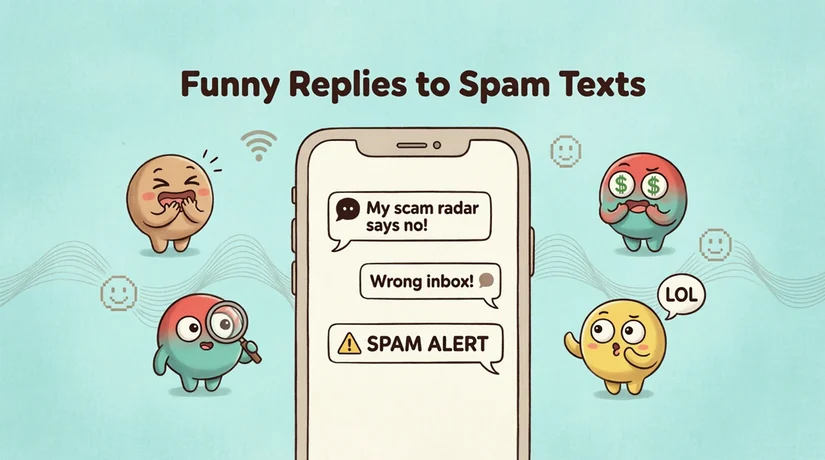
Top alternatives: “Nice try, inbox detective!”, “My scam radar says no,” “Wrong number, right comedy show,” “My wallet says absolutely not,” “This message failed the vibe check.”
Your phone buzzes, you check the screen, and there it is: another message promising a free vacation, an unbelievable prize, or a package you never ordered. Sometimes, spam texts are so poorly written that laughing feels like the only reasonable response. Other times, they pretend to be a bank, a delivery company, or even someone you know. That is when a little caution matters. Finding funny replies to spam texts can turn an irritating notification into a hilarious moment worth sharing with friends.
Whether you’re dealing with fake giveaways, suspicious job offers, random sales pitches, or mysterious messages from unknown numbers, the right comeback can match your personality without revealing anything private.
1. Funny Replies to Spam Texts
1. “My inbox has officially hired a clown.” Example: When another ridiculous promotional message appears. Meaning: You find the message more entertaining than convincing.
2. “Is this the part where I win a million imaginary dollars?” Example: When a stranger promises an unbelievable cash prize. Meaning: You humorously question an unrealistic reward.
3. “Sorry, my wallet is currently in airplane mode.” Example: When a suspicious message asks for money. Meaning: You make it clear that your money is unavailable.
4. “Nice try, Captain Copy-Paste.” Example: When a generic sales pitch lands in your inbox. Meaning: You tease the sender for using an unoriginal message.
5. “My scam radar just started doing cartwheels.” Example: When a message contains several suspicious promises. Meaning: You recognize warning signs with playful confidence.
6. “Congratulations, you found the world’s least interested person.” Example: When an unwanted promotion arrives. Meaning: You express complete disinterest in a humorous way.
7. “Please hold while my imaginary assistant reviews this.” Example: When a message demands immediate attention. Meaning: You jokingly exaggerate the importance of the message.
8. “This inbox is for entertainment purposes only.” Example: When a suspicious pitch sounds unintentionally funny. Meaning: You treat the message as comedy rather than a serious offer.
9. “Did my refrigerator recommend me for this offer?” Example: When an unexpected advertisement appears. Meaning: You poke fun at how random the message feels.
10. “My trust issues just got a software update.” Example: When a stranger makes an unbelievable claim. Meaning: You humorously explain why you remain suspicious.
11. “Sorry, I only accept invitations from my alarm clock.” Example: When a stranger sends an unsolicited offer. Meaning: You dismiss the message with an absurd excuse.
12. “Thanks, my imaginary lawyer will be in touch.” Example: When a message sounds suspiciously official. Meaning: You joke about taking the situation seriously without making a real commitment.
2. Sarcastic Replies to Spam Texts
1. “Wow, a stranger wants my money. How original!” Example: When a suspicious message requests payment. Meaning: You highlight the sender’s predictable approach.
2. “I was just wondering when my daily scam would arrive.” Example: When another suspicious text appears. Meaning: You show that the message is no surprise.
3. “And here I thought my day couldn’t get more interesting.” Example: When an absurd promotional offer arrives. Meaning: You use dry humor to express annoyance.
4. “Let me guess, I won something I never entered.” Example: When a stranger announces a surprise prize. Meaning: You question the credibility of the claim.
5. “Your timing is perfect. I was ignoring everyone.” Example: When an unwanted message interrupts your day. Meaning: You sarcastically express your lack of interest.
6. “Finally, a message I definitely didn’t ask for.” Example: When an unsolicited advertisement appears. Meaning: You point out the unwanted nature of the contact.
7. “What would I do without these totally unexpected offers?” Example: When promotional texts keep arriving. Meaning: You mock the repetitive nature of spam.
8. “My excitement level is approximately zero.” Example: When a sales pitch promises something extraordinary. Meaning: You communicate your indifference.
9. “This sounds almost as believable as a talking toaster.” Example: When a message makes an implausible claim. Meaning: You question the claim through absurd comparison.
10. “Please tell me there’s a sequel to this message.” Example: When a spam text is especially unconvincing. Meaning: You jokingly invite more of the same nonsense.
11. “I’m sure my bank account is thrilled.” Example: When a suspicious text promises financial rewards. Meaning: You sarcastically question the financial appeal.
12. “Five stars for effort, zero for credibility.” Example: When a message tries too hard to sound convincing. Meaning: You criticize the message with a playful rating.
3. Witty Replies to Scam Texts
1. “My common sense says we haven’t met.” Example: When an unknown sender acts overly familiar. Meaning: You politely question the sender’s identity.
2. “That offer needs a reality check.” Example: When a message promises unrealistic benefits. Meaning: You express doubt without getting personal.
3. “My detective hat is already on.” Example: When a suspicious text raises questions. Meaning: You signal that you’re paying attention to warning signs.
4. “The plot is interesting, but the evidence is missing.” Example: When a message tells an unbelievable story. Meaning: You challenge the claim’s credibility.
5. “This pitch needs a little less mystery.” Example: When a stranger avoids giving clear details. Meaning: You highlight the lack of transparency.
6. “My inbox has excellent security and questionable patience.” Example: When unsolicited messages arrive repeatedly. Meaning: You combine confidence with mild irritation.
7. “A suspicious link walked into a text message.” Example: When an unknown sender includes a link. Meaning: You frame the warning sign as a joke.
8. “I prefer my surprises without financial requests.” Example: When a stranger asks for an unexpected payment. Meaning: You establish a clear boundary.
9. “That story needs a few more believable details.” Example: When a message contains an implausible explanation. Meaning: You express skepticism about the story.
10. “My trust is currently under maintenance.” Example: When an unfamiliar number makes an unusual request. Meaning: You explain your caution with humor.
11. “The credibility department has declined this application.” Example: When a suspicious offer sounds unconvincing. Meaning: You humorously reject the message.
12. “Interesting claim. Absolutely no supporting evidence.” Example: When a stranger promises something extraordinary. Meaning: You emphasize the gap between promises and proof.
4. Brutal but Clever Replies to Spam Texts
1. “Wrong inbox for that nonsense.” Example: When an unwanted message arrives. Meaning: You dismiss the message directly.
2. “Your message deserves a refund.” Example: When a promotional pitch is particularly poor. Meaning: You joke that the message is not worth receiving.
3. “Even my spam folder has standards.” Example: When a message is especially unconvincing. Meaning: You express strong disbelief.
4. “That pitch needs professional help.” Example: When a sales message makes little sense. Meaning: You criticize the message’s poor quality.
5. “My attention has officially left the chat.” Example: When a stranger sends an unwanted sales pitch. Meaning: You signal that the message has lost your interest.
6. “Not every notification deserves a reaction.” Example: When you want to dismiss a distracting text. Meaning: You remind yourself that your attention is valuable.
7. “Your message and my interest are strangers.” Example: When a sender assumes you want their offer. Meaning: You establish disinterest with a sharp one-liner.
8. “This conversation has no business being a conversation.” Example: When an unsolicited message tries to start a discussion. Meaning: You question why the sender contacted you.
9. “My inbox said no before I even opened this.” Example: When you receive another unwanted pitch. Meaning: You express instant rejection.
10. “Please redirect this performance to another audience.” Example: When a stranger sends a dramatic sales pitch. Meaning: You make it clear that you are not the intended customer.
11. “That’s a lot of confidence for so little credibility.” Example: When a sender makes a bold but doubtful claim. Meaning: You call out the gap between confidence and trustworthiness.
12. “Rejected faster than a terms-and-conditions popup.” Example: When you want a modern, tech-inspired comeback. Meaning: You emphasize how quickly you dismiss the offer.
5. Polite Replies to Spam Texts
1. “Thanks, but I’m not interested.” Example: When an unfamiliar business sends an unwanted offer. Meaning: You decline without sounding hostile.
2. “I don’t recognize this number, so I’ll pass.” Example: When a stranger contacts you unexpectedly. Meaning: You explain your hesitation clearly.
3. “Appreciate the message, but this isn’t for me.” Example: When you receive an unsolicited promotion. Meaning: You reject the offer respectfully.
4. “I’ll keep my inbox and my schedule unchanged.” Example: When a message tries to sell a service. Meaning: You politely indicate that you won’t participate.
5. “Thanks, but I’m happy with what I already have.” Example: When an unfamiliar sender offers a product. Meaning: You decline without inviting a lengthy discussion.
6. “I prefer not to engage with unknown numbers.” Example: When you want to establish a privacy boundary. Meaning: You explain your preference calmly.
7. “No thank you, but have a good day.” Example: When a harmless sales message arrives. Meaning: You close the interaction on a friendly note.
8. “This doesn’t seem relevant to me.” Example: When an offer doesn’t match your needs. Meaning: You express disinterest without criticizing the sender.
9. “I’m unable to help with this request.” Example: When an unfamiliar number asks for assistance. Meaning: You decline without sharing personal details.
10. “I won’t be proceeding with this offer.” Example: When a message proposes a deal you don’t want. Meaning: You give a clear and respectful refusal.
11. “I prefer to verify unexpected requests independently.” Example: When a message claims to represent an organization. Meaning: You communicate a sensible approach to security.
12. “Thanks for understanding that I’ll pass.” Example: When you want to end an unwanted exchange politely. Meaning: You make your decision clear without hostility.
6. Professional Replies to Spam Texts
1. “I don’t respond to unsolicited business offers.” Example: When an unfamiliar company sends a sales pitch. Meaning: You maintain a professional boundary.
2. “Please direct future communication through verified channels.” Example: When a message claims to represent a business. Meaning: You prioritize secure and official communication.
3. “I’m unable to verify the sender’s identity.” Example: When a message arrives from an unknown contact. Meaning: You explain why you won’t engage.
4. “I’ll review legitimate requests through official channels.” Example: When an unexpected text claims to concern your account. Meaning: You demonstrate a careful, professional approach.
5. “This proposal doesn’t align with my current priorities.” Example: When a sales message offers an irrelevant service. Meaning: You decline without unnecessary details.
6. “Please remove this number from your contact list.” Example: When unwanted marketing texts keep arriving. Meaning: You make a direct request to stop further contact.
7. “I don’t authorize transactions through unsolicited messages.” Example: When an unfamiliar sender requests payment. Meaning: You establish a firm financial boundary.
8. “I will not share confidential information by text.” Example: When a message requests private account details. Meaning: You protect sensitive information.
9. “Thank you, but this communication isn’t relevant to me.” Example: When an unwanted business offer appears. Meaning: You decline in a courteous, professional tone.
10. “Please provide verifiable information through an official channel.” Example: When a message claims to be from a service provider. Meaning: You ask for independent verification.
11. “I don’t make decisions based on unsolicited messages.” Example: When a stranger pressures you to accept an offer. Meaning: You show that your decisions require reliable information.
12. “I’ll consider this closed unless verified information is available.” Example: When an unexpected business request cannot be verified. Meaning: You indicate that you won’t continue without evidence.
7. Funny Replies to Fake Prize and Giveaway Texts
1. “I won? My participation must have been invisible.” Example: When a stranger announces a prize you never entered to win. Meaning: You question the legitimacy of the giveaway.
2. “Does the prize come with a believable explanation?” Example: When a message promises an unexplained reward. Meaning: You highlight the lack of credibility.
3. “My trophy shelf is ready, but my trust isn’t.” Example: When an unexpected prize notification arrives. Meaning: You joke about remaining skeptical.
4. “I accept prizes in the form of fewer spam texts.” Example: When you’re tired of fake giveaway notifications. Meaning: You suggest a much more useful reward.
5. “Please send my imaginary confetti immediately.” Example: When a suspicious message announces your supposed victory. Meaning: You poke fun at the announcement.
6. “Is this a giveaway or a creative writing competition?” Example: When a prize message contains an elaborate story. Meaning: You question whether the claim is genuine.
7. “My lucky day has apparently forgotten my calendar.” Example: When a random sender claims you’ve won something. Meaning: You express humorous disbelief.
8. “I didn’t enter, but thanks for the fictional achievement.” Example: When you receive an unexpected winning notification. Meaning: You reject the claim without taking it seriously.
9. “Where do I collect my certificate in suspicious decisions?” Example: When a supposed prize requires unusual steps. Meaning: You make fun of the suspicious conditions.
10. “This prize sounds like it was sponsored by my doubts.” Example: When a giveaway seems too good to be true. Meaning: You communicate skepticism through playful exaggeration.
11. “Can I exchange the prize for a quiet inbox?” Example: When repeated fake rewards clutter your messages. Meaning: You prefer peace over questionable prizes.
12. “My acceptance speech will begin after verification.” Example: When a stranger claims you’ve won a major reward. Meaning: You jokingly insist on checking the claim first.
8. Funny Replies to Fake Delivery Texts
1. “My package must be delivering itself from another dimension.” Example: When a delivery text mentions an order you never placed. Meaning: You question the message’s relevance.
2. “The only thing I’m expecting is my lunch.” Example: When an unknown number claims a package is waiting. Meaning: You dismiss an unexpected delivery alert humorously.
3. “My parcel has better mystery skills than a detective novel.” Example: When a message gives vague delivery information. Meaning: You joke about the lack of clear details.
4. “Please tell my imaginary package I said hello.” Example: When you receive a delivery notification for an unknown parcel. Meaning: You make the unexplained package sound fictional.
5. “I ordered peace and quiet, not another notification.” Example: When a suspicious shipping alert arrives. Meaning: You express frustration in a playful way.
6. “Is the delivery driver a secret agent?” Example: When a text requests unusual information about a delivery. Meaning: You question the suspicious circumstances.
7. “My shopping cart denies all involvement.” Example: When a message claims you purchased something unfamiliar. Meaning: You joke that the alleged order isn’t yours.
8. “The package is missing, and so is my interest.” Example: When an unexpected delivery text demands attention. Meaning: You dismiss the message without engaging.
9. “Can you deliver this message to my spam folder?” Example: When a suspicious shipping alert appears. Meaning: You humorously suggest where the message belongs.
10. “My front door has no record of this drama.” Example: When a message claims a delivery attempt failed. Meaning: You question the unexpected delivery story.
11. “Tracking number or treasure map?” Example: When a suspicious message includes confusing tracking details. Meaning: You tease the sender about the unclear information.
12. “I’ll check my order history, not mystery links.” Example: When a delivery text includes an unfamiliar link. Meaning: You choose a safer way to verify a delivery.
9. Sarcastic Replies to Fake Bank Messages
1. “My bank and I prefer conversations through official channels.” Example: When an unfamiliar text claims to be from your bank. Meaning: You establish a sensible security boundary.
2. “Thanks for the financial advice, random stranger.” Example: When an unknown sender makes claims about your account. Meaning: You question why an unfamiliar person is offering financial guidance.
3. “My account didn’t ask for a surprise guest.” Example: When a suspicious banking notification appears. Meaning: You express distrust through a playful metaphor.
4. “I’ll verify this before my wallet has a reaction.” Example: When a text mentions an unexpected charge or payment. Meaning: You emphasize checking the claim first.
5. “My money prefers verified relationships.” Example: When a stranger requests financial details. Meaning: You joke about keeping your finances private.
6. “This financial plot twist needs official confirmation.” Example: When a message claims there is an urgent account issue. Meaning: You refuse to accept an unverified claim.
7. “My budget says we’re not acquainted.” Example: When an unsolicited financial offer arrives. Meaning: You dismiss the offer with humor.
8. “Unexpected banking news? I’ll check with the bank myself.” Example: When an unknown sender claims your account needs attention. Meaning: You prefer independent verification.
9. “My password isn’t a party favor.” Example: When a suspicious message asks for login details. Meaning: You make it clear that private credentials aren’t for sharing.
10. “I keep my finances away from mystery guests.” Example: When a stranger requests payment information. Meaning: You reinforce your privacy boundary.
11. “My bank account is private, not a group project.” Example: When a text requests access to account information. Meaning: You emphasize that your finances are nobody else’s business.
12. “I’ll contact my bank directly, thanks for the plot.” Example: When a suspicious message tries to create urgency. Meaning: You dismiss the drama and choose a safer next step.
10. Short and Clever Replies Without the Fuss
1. “Not interested.” Example: When an unsolicited offer appears. Meaning: You decline directly.
2. “Wrong audience.” Example: When a stranger sends an irrelevant promotion. Meaning: You indicate that the message doesn’t suit you.
3. “Try again, never.” Example: When an unwanted pitch keeps appearing. Meaning: You express firm disinterest with a playful edge.
4. “My answer is no.” Example: When a suspicious sender requests something. Meaning: You set a clear boundary.
5. “Hard pass.” Example: When an offer seems unappealing. Meaning: You reject it without explanation.
6. “Inbox rejected.” Example: When you want a short, tech-inspired comeback. Meaning: You treat the message like a declined request.
7. “Not buying the story.” Example: When a stranger makes an implausible claim. Meaning: You express skepticism.
8. “Zero interest, thanks.” Example: When you want to decline an unsolicited promotion. Meaning: You make your lack of interest obvious.
9. “That’s a no from me.” Example: When an unknown number asks you to participate in something. Meaning: You politely but firmly refuse.
10. “My inbox has boundaries.” Example: When unwanted messages arrive repeatedly. Meaning: You emphasize that access to your attention isn’t automatic.
11. “Message declined.” Example: When a suspicious pitch deserves no further attention. Meaning: You reject the communication in a concise way.
12. “Blocked by common sense.” Example: When a message sounds obviously suspicious. Meaning: You humorously suggest that good judgment has rejected it.
11. Creative Replies to Spam Texts
1. “Your message has entered the Department of Unanswered Questions.” Example: When a suspicious text arrives with no clear explanation. Meaning: You turn uncertainty into a fictional administrative process.
2. “The inbox jury is still out.” Example: When a stranger sends an unbelievable offer. Meaning: You humorously withhold your judgment.
3. “Your notification has been nominated for Best Unwanted Performance.” Example: When a spam message is especially dramatic. Meaning: You treat the message like an entertaining performance.
4. “This text belongs in a museum of questionable decisions.” Example: When an offer sounds hilariously unconvincing. Meaning: You exaggerate how unusual the message feels.
5. “My inbox is writing a book about unwanted visitors.” Example: When spam messages arrive every day. Meaning: You joke about your ongoing battle with unwanted texts.
6. “The mystery is deep, but my interest is shallow.” Example: When an unfamiliar sender sends a vague message. Meaning: You show that you don’t want to investigate further.
7. “This message needs a plot, a cast, and a better ending.” Example: When a suspicious text contains a complicated story. Meaning: You make fun of its lack of credibility.
8. “My phone has entered its detective era.” Example: When several suspicious notifications appear together. Meaning: You describe your growing caution in a playful way.
9. “Sending this to the fictional committee of suspicious messages.” Example: When you want to joke about an implausible offer. Meaning: You pretend the message is under official review.
10. “The inbox orchestra requests a different song.” Example: When repetitive sales texts keep arriving. Meaning: You express boredom with the same old pitch.
11. “My notification center deserves hazard pay.” Example: When your phone receives another suspicious message. Meaning: You joke that your inbox works under difficult conditions.
12. “This text has all the mystery and none of the trust.” Example: When a stranger sends a vague request. Meaning: You highlight the difference between curiosity and credibility.
12. Dramatic Replies to Spam Texts
1. “Not another mysterious message in my peaceful kingdom!” Example: When an unwanted text interrupts your relaxing day. Meaning: You exaggerate your annoyance for comic effect.
2. “My inbox has suffered enough today.” Example: When several spam notifications arrive in a short time. Meaning: You dramatize your frustration.
3. “Who dares disturb the ruler of Do Not Disturb?” Example: When an unknown sender interrupts your quiet time. Meaning: You jokingly present yourself as the boss of your phone.
4. “Tell my patience I fought bravely.” Example: When another suspicious message arrives. Meaning: You make your dwindling patience sound heroic.
5. “The final notification has arrived, and I am emotionally unavailable.” Example: When your inbox is already overflowing. Meaning: You humorously declare that you’ve had enough.
6. “I shall recover from this unsolicited experience.” Example: When a ridiculous promotional text appears. Meaning: You pretend the minor inconvenience is a major event.
7. “My peace has been interrupted by the unknown.” Example: When a mysterious number texts you unexpectedly. Meaning: You describe the interruption in an exaggerated style.
8. “Sound the alarms! Another suspicious offer has arrived.” Example: When you receive an implausible giveaway notification. Meaning: You turn a familiar annoyance into a dramatic announcement.
9. “I did not survive Monday for this.” Example: When spam arrives on an already stressful day. Meaning: You express frustration through relatable exaggeration.
10. “My patience has officially resigned from this conversation.” Example: When unwanted messages keep appearing. Meaning: You humorously announce that you’re done engaging.
11. “Alas, another notification has tested my spirit.” Example: When a suspicious text appears at an inconvenient moment. Meaning: You make your annoyance sound theatrical.
12. “Let history remember this as the day I blocked another number.” Example: When you decide to block a persistent sender. Meaning: You celebrate ending an unwanted interaction.
13. Chill and Casual Replies to Spam Texts
1. “Haha, not for me.” Example: When an unfamiliar sender shares an irrelevant offer. Meaning: You decline without making a big deal out of it.
2. “I’ll pass, but thanks.” Example: When a harmless promotional message arrives. Meaning: You keep your refusal friendly and brief.
3. “Nope, not today.” Example: When you receive an unwanted sales pitch. Meaning: You dismiss the offer casually.
4. “Wrong number, maybe?” Example: When a stranger sends a confusing message. Meaning: You suggest a possible mix-up without committing to a conversation.
5. “Not really my thing.” Example: When an unfamiliar sender promotes a product. Meaning: You express disinterest in a relaxed tone.
6. “I’ll leave that one alone.” Example: When a suspicious message doesn’t deserve a response. Meaning: You choose not to engage.
7. “No thanks, I’m good.” Example: When an unsolicited offer arrives. Meaning: You politely indicate that you don’t need it.
8. “My phone is busy doing nothing.” Example: When a message demands immediate attention. Meaning: You use casual humor to dismiss the urgency.
9. “That’s a pass from this side.” Example: When an unfamiliar sender offers a service. Meaning: You decline without hostility.
10. “Not my kind of notification.” Example: When another unwanted message appears. Meaning: You communicate that the message isn’t welcome.
11. “I’ll stick to messages I recognize.” Example: When an unknown contact tries to start a conversation. Meaning: You prefer familiar and trusted communication.
12. “All good, but I’ll sit this one out.” Example: When a message invites you to participate in something suspicious. Meaning: You decline in a calm, easygoing way.
14. Confident Replies to Spam Texts
1. “I decide what deserves my attention.” Example: When a message tries to pressure you into responding. Meaning: You assert control over your time and attention.
2. “My personal information stays private.” Example: When a stranger requests confidential details. Meaning: You establish a firm privacy boundary.
3. “I verify first and decide afterward.” Example: When an unexpected message makes a serious claim. Meaning: You demonstrate confidence in your decision-making.
4. “I don’t act on pressure from unknown numbers.” Example: When a suspicious sender demands an immediate response. Meaning: You refuse to let urgency control your decisions.
5. “My money, my rules.” Example: When an unsolicited text asks for payment. Meaning: You assert control over your finances.
6. “I know better than to trust every notification.” Example: When a message promises an unbelievable reward. Meaning: You show confidence in your judgment.
7. “I don’t owe strangers an explanation.” Example: When an unknown sender insists on a reply. Meaning: You reinforce your right to maintain boundaries.
8. “My decisions aren’t made through random texts.” Example: When a stranger tries to persuade you to accept an offer. Meaning: You make it clear that you choose independently.
9. “I protect my peace and my privacy.” Example: When unwanted messages interrupt your day. Meaning: You prioritize your well-being and personal information.
10. “I won’t click just because a message tells me to.” Example: When an unfamiliar text contains an unexpected link. Meaning: You show that you think carefully before taking action.
11. “Trust is earned, not texted.” Example: When a stranger immediately asks for personal information. Meaning: You explain that trust requires more than a message.
12. “My boundaries don’t need an explanation.” Example: When you want to end an unwanted interaction. Meaning: You confidently stand by your decision not to engage.
15. Clever One-Liners to Outsmart Spam Texts
1. “My spam filter deserves employee of the month.” Example: When you receive another suspicious notification. Meaning: You celebrate the systems that help protect your inbox.
2. “Your message failed the common-sense test.” Example: When a text contains an implausible claim. Meaning: You point out that the message doesn’t seem credible.
3. “I don’t follow instructions from mystery numbers.” Example: When an unknown sender tells you to click or pay. Meaning: You reject unverified directions.
4. “My curiosity has a security checkpoint.” Example: When an unexpected offer seems tempting. Meaning: You explain that curiosity doesn’t override caution.
5. “That link can enjoy its independent journey.” Example: When a suspicious message includes an unfamiliar link. Meaning: You humorously make it clear that you won’t click it.
6. “I have a strict no-mystery-money policy.” Example: When a stranger promises an unexplained cash reward. Meaning: You decline suspicious financial offers.
7. “My inbox accepts evidence, not fairy tales.” Example: When a message promises something unbelievable. Meaning: You value credible information over unsupported claims.
8. “The only shortcut I take is to the block button.” Example: When a sender repeatedly sends unwanted messages. Meaning: You prefer ending the interaction over entertaining it.
9. “This message has more red flags than a parade.” Example: When several warning signs appear in one text. Meaning: You express strong suspicion through a vivid comparison.
10. “I don’t negotiate with suspicious notifications.” Example: When an unknown sender pressures you to respond. Meaning: You refuse to participate in a questionable exchange.
11. “My trust settings are set to manual.” Example: When a stranger tries to earn your confidence immediately. Meaning: You prefer to verify people and claims before trusting them.
12. “The best reply is sometimes no reply.” Example: When a suspicious text doesn’t deserve your attention. Meaning: You recognize that silence can be the safest and smartest response.
Frequently Asked Questions
What Are Funny Replies to Spam Texts?
Funny replies to spam texts are witty responses that make unwanted messages less annoying. Blocking and reporting suspicious texts is often safer than replying.
What Is the Funniest Reply to a Spam Text?
“My scam radar just started doing cartwheels” is a playful way to express suspicion without taking the message seriously.
How Do You Reply to a Spam Text Without Being Rude?
You can say, “Thanks, but I’m not interested.” However, avoid replying if the message appears suspicious.
Can You Reply to Spam Texts With Sarcasm?
Yes, for harmless situations, sarcasm can be funny. For suspicious messages, don’t engage or click unfamiliar links.
What Should You Say When a Spam Text Promises Money?
Try “I have a strict no-mystery-money policy.” Never share banking details or pay fees to claim an unexpected prize.
Should You Respond to Spam Texts From Unknown Numbers?
Generally, no. Replying may confirm your number is active, so blocking and reporting the sender is usually safer.
Are Funny Replies to Spam Texts Appropriate for Work?
Keep workplace humor professional and avoid sharing suspicious messages containing confidential business information.
What If You Don’t Want to Be Funny?
You can simply ignore the message, block the number, or report it. You don’t owe an unknown sender a response.
Can a Spam Text Be a Flirting Attempt?
Sometimes an unknown message may be a genuine attempt to start a conversation, but verify the sender’s identity before trusting them.
What Should You Do If a Spam Text Contains a Link?
Don’t click it. Visit the organization’s official website independently if you need to verify the message.
Conclusion
Spam texts might interrupt your day, but they don’t have to ruin your mood. The right witty comeback can turn an annoying notification into a funny moment, whether you prefer clever one-liners, dry sarcasm, playful humor, or a polite refusal. Still, your safety matters more than delivering the perfect punchline. Avoid clicking unfamiliar links, sharing personal information, or responding to suspicious requests.
When a message looks like a scam, blocking and reporting it is often the smartest move. Save your favorite replies, share them with friends, and use the ones that match your personality. After all, your inbox deserves better, and so do you!